
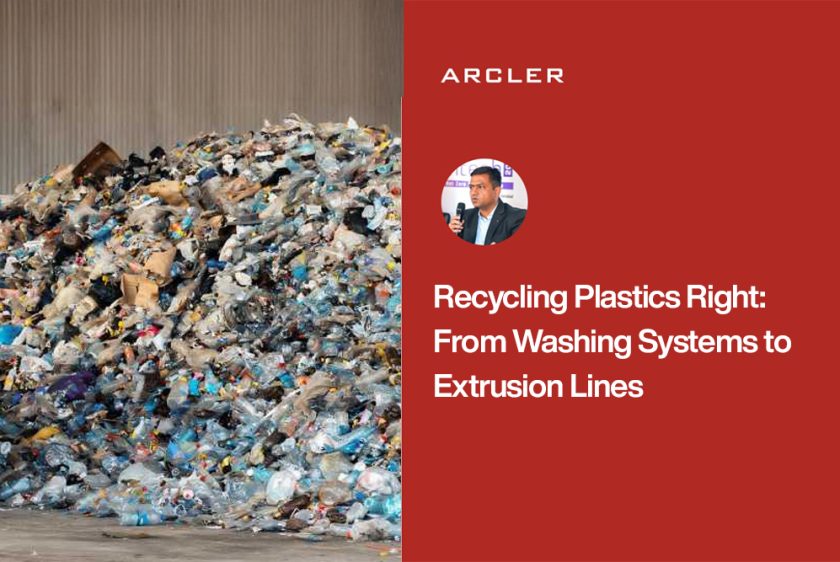
Recycling Plastics Right: From Washing Systems to Extrusion Lines
As the world shifts toward circular economy goals, plastic recycling has become one of the most vital sectors of modern waste management. Yet, efficient recycling isn’t just about collecting plastics, it’s about turning them into reusable, high-quality raw materials.
This transformation begins with the right combination of washing and extrusion technologies, designed to handle everything from lightweight films to dense, rigid plastics.At Arcler, we integrate advanced plastic washing lines and extrusion systems into recycling plants, enabling industries to recover, clean, and reprocess plastics efficiently and sustainably.
Understanding the Difference: Flexible vs. Rigid Plastics
Different types of plastics require different treatment. Flexible and rigid plastics vary in their structure, composition, and recycling behavior. Recognizing these differences is crucial when designing a plastic recycling plant.
| Type | Examples | Properties | Recycling Challenge |
| Flexible Plastics | Films, wraps, shopping bags, LDPE packaging | Lightweight, stretchable | Difficult to clean and separate; often contaminated with organic matter |
| Rigid Plastics | PET bottles, HDPE containers, PP crates, PVC pipes | Dense, durable, high melting point | Sorting precision required to maintain polymer quality |
Arcler’s integrated systems are designed to adapt to both material types, combining high-capacity shredders, friction washers, and energy-efficient extruders into one seamless recycling line.
The Plastic Recycling Process: Step-by-Step
Whether processing flexible films or rigid packaging, plastic recycling typically follows this streamlined workflow:
Sorting → Washing → Drying → Extrusion → Pelletizing
Let’s break it down:
Step 1: Sorting
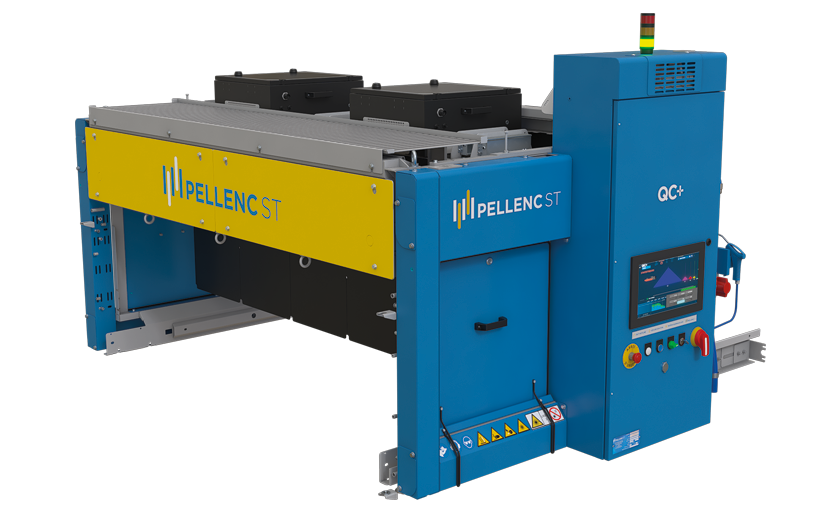
Clean recycling starts with precise sorting. Optical sorters, flake sorters, and air separators separate plastics by polymer type (PET, PP, PE) and color. Accurate sorting reduces contamination and improves end-product quality.
Step 2: Washing
In the washing stage, materials pass through multiple stages of screening, friction washer or hot washing system to remove labels, adhesives, and organic residues.The float-sink tanks separate contaminants based on density, ensuring cleaner input for extrusion.

Step 3: Drying
Centrifugal or thermal dryers remove residual moisture, a critical step to ensure that plastic flakes are ready for melting without causing defects or bubbles during extrusion.
Step 4: Extrusion
This is where transformation happens. Clean, dry flakes are melted and homogenized in an extruder typically a single or twin-screw system. The process includes:
- Degassing: Removes volatile gases and moisture.
- Filtration: Eliminates impurities for better pellet quality.
- Melt Homogenization: Ensures uniform viscosity and polymer quality.
Step 5: Pelletizing
Finally, molten plastic is cooled and cut into uniform pellets or granules. These can be used again to make bottles, packaging, or injection-molded products completing the recycling loop.
Technology Focus: Modern Washing & Extrusion Lines
The effectiveness of plastic recycling lines depends on the technology behind them. Today’s systems are more energy-efficient, digitally controlled, and built for scalability.
Key Technologies :
| Process Area | Technology | Benefits |
| Washing | Screening, Optical Sorters, Friction Washers, Hot Wash Systems, Float-Sink Tanks | Removes contaminants, labels, and adhesives effectively |
| Drying | Centrifugal & Thermal Dryers | Reduces moisture for smoother extrusion |
| Extrusion | Twin-Screw & Single-Screw Extruders | Customizable for flexible or rigid plastics |
| Filtration | Melt Filters, Continuous Screen Changers | Ensures consistent, high-quality output |
| Pelletizing | Strand & Underwater Pelletizers | Produces uniform granules ready for reuse |
By combining these components, Arcler delivers turnkey plastic recycling solutions that are efficient, cost-effective, and tailored to each client’s waste composition and capacity needs.
Did You Know?
Globally, only about 9% of plastic waste is recycled and more than 50% ends up in landfills or the environment.
With efficient sorting, washing, and extrusion systems, industries can recover up to 90% of recyclable plastic, reducing dependence on virgin materials and cutting CO₂ emissions drastically.
Integration Insight: Arcler’s Turnkey Recycling Approach
While many suppliers provide standalone machines, Arcler specializes in system integration ensuring every part of the recycling process works in harmony.
Our expertise lies in connecting:
Shredders → Sorting Machines → Washing Lines → Extruders → Pelletizers

This integration ensures:
- Consistent material flow
- Reduced downtime
- Optimized energy use
- Lower maintenance costs
Each project is customized after studying the waste characterization, target polymer type, and desired output quality.
Whether you’re processing PET bottles, HDPE containers, or mixed polyolefins, Our recycling plants are designed for scalability, reliability, and sustainability.

Building Reliable Plastic Recycling Plants for Industry Reuse
Recycled plastic granules are now powering multiple industries from packaging to automotive and textiles. With high-quality washing and extrusion lines, companies can:
- Reduce raw material costs
- Meet sustainability and EPR (Extended Producer Responsibility) targets
- Supply recycled resins for local and export markets
As recycling standards evolve, so does Arcler’s technology ensuring your plant stays ready for the next generation of plastic waste recovery.
Conclusion
Recycling plastics right isn’t just about machinery, it’s about building a process that ensures every flake, every film, and every bottle gets a second life.
At Arcler, we deliver integrated plastic recycling plants combining sorting, washing, and extrusion technologies into one seamless solution. Together, we can move toward a circular economy where plastic waste becomes valuable once again.“


