FlipFlop Screen

FlipFlop Screen

FlipFlop Screen

FlipFlop Screen

What is a Flip-Flop Screen?

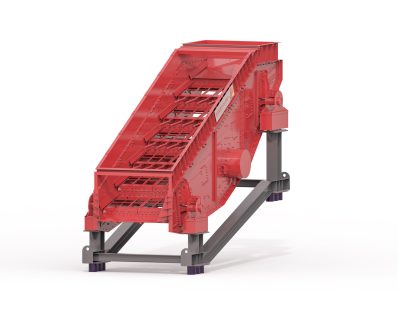
A Flip-Flop Screen, also known as a Flip-Flow screen, is engineered specifically for difficult-to-screen materials such as sticky, moist, or fine fractions. Where traditional screening systems often clog or jam, the flip-flop technology delivers consistent and efficient results even with small mesh sizes.

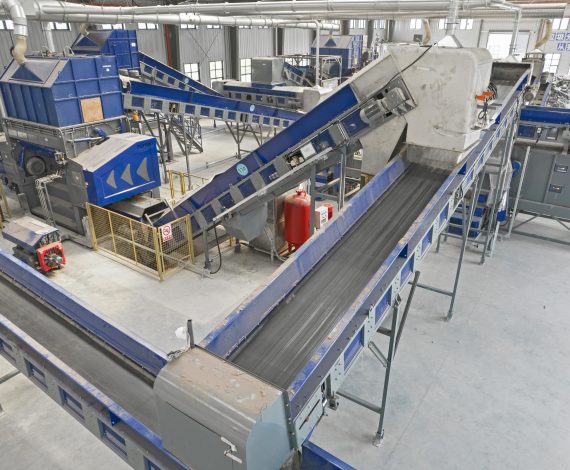
Through partnerships with leading technology providers, Arcler integrates flip-flop screening machines into waste management and recycling lines, ensuring optimal separation in municipal solid waste (MSW), composting, RDF processing, and industrial recycling.

SRF (8)

Working Principle of Flip-Flop Screen

The flip-flop screen waste vibrating screen operates on a unique three-phase oscillation system:
Circular Motion in Feed Zone – Rapid loosening of incoming material, enabling high feed rates even with sticky or wet waste.
Linear Motion in Middle Zone – Ensures maximum contact between material and screening surface for efficient classification.
Elliptical Motion in Discharge Zone – Provides intensive near-cutpoint separation for precise sizing.

The screening decks are mounted on two moving frames (external and internal). As they move alternately, the flexible polyurethane screen mats are tightened and relaxed continuously, preventing material buildup and keeping the screening surface open.

Brochure

Please enter your email ID to get brochure via email

    Email :
    Product Brochure :

    Applications of Flip-Flop Screens

    Flip-Flop Screens are widely used in challenging waste and recycling applications, including:
    Municipal Solid Waste
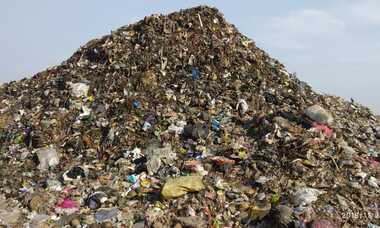
    Municipal Solid Waste (MSW) – separating fines and organic fractions
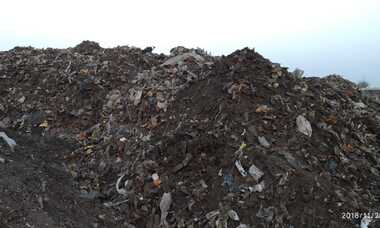
    legacy-waste
    Compost & Green Waste – efficient classification of moist organic material
    Industrial Waste
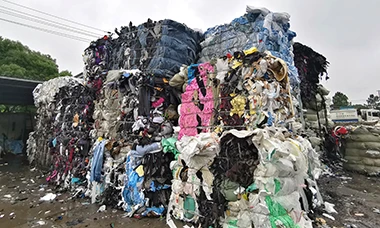
    Refuse-Derived Fuel (RDF) / SRF – sizing material for alternative fuel processing
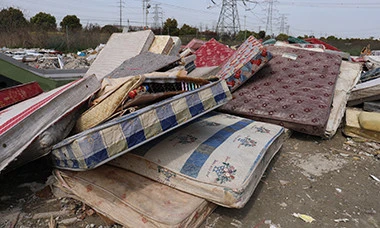
    Bulky Waste
    Construction & Demolition Waste (C&D) – handling sticky soils and fines
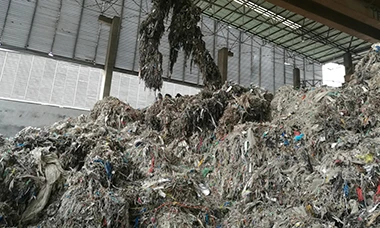
    Papermill Waste
    Coal, Coke & Minerals – effective screening of difficult bulk materials
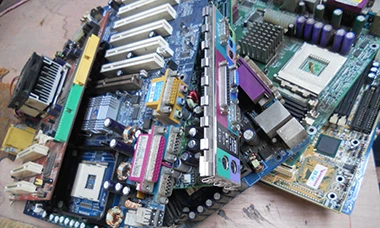
    Electronic Waste
    Slag & Shredded Materials – reliable separation under tough conditions

    Technical Overview Of Flip-Flop Screen Machines

    Here’s a quick overview of our Flip-Flop Screen technology ideal for handling challenging materials with high moisture content while maintaining consistent throughput.

    Parameter Details
    Design Type Single or Double Deck
    Screening Motion Circular (feed), Linear (middle), Elliptical (discharge)
    Screen Mats Flexible polyurethane (various cut points & shapes)
    Feed Capacity High throughput with minimized clogging
    Nominal Lengths Up to 9600 mm
    Nominal Widths Up to 3000 mm
    Drive System Eccentric drive with unbalanced shaft
    Optional Features Dust sealing, underflow/overflow chutes, ATEX design, triple-deck execution
    SRF (8)

    Key Features & Advantages

    Handles Difficult Materials – Perfect for moist, sticky, or fine fractions.
    Three-Phase Oscillation – Ensures rapid break-up, efficient mid-zone screening, and precise final cut.
    Clog-Free Design – Constant tightening/loosening of panels keeps the deck open.
    High Feed Rates – Processes large volumes without sacrificing accuracy.
    Low Dynamic Loads – Reduces structural stress for smoother plant integration.
    Flexible Configurations – Single, double, or triple-deck setups available.
    Versatile Applications – MSW, compost, RDF, coal, slag, and more.
    Recycling Plant

    Need Reliable Screening for Sticky Waste?

    Arcler integrates advanced flip-flop screening technology into waste and recycling plants — delivering high efficiency where conventional screens fail.

    Frequently Asked Questions

    Screen in Waste Management

    What is a flip-flop screen used for?
    It is designed for screening difficult-to-handle materials such as moist, sticky, or fine fractions that clog conventional screens.
    How does flip-flop technology prevent clogging?
    Can flip-flop screens handle municipal solid waste?
    What are the advantages over conventional screens?
    What size ranges can be screened?

    Cutting-Edge Waste Recycling Products and Machines