
Legacy Waste Processing Challenges: How to Remove Inert, Dust & Stones Efficiently
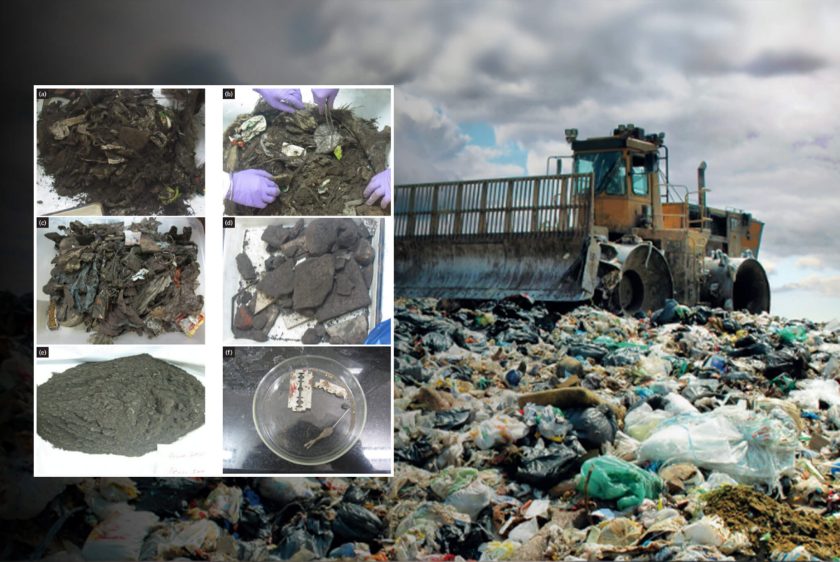
India is carrying a heavy burden of legacy waste old municipal waste dumped over decades without scientific treatment. These dumpsites not only occupy valuable land but also pose serious environmental and public health risks through groundwater contamination, methane emissions, dust pollution, and frequent landfill fires.
Under the Swachh Bharat Mission 2.0, municipalities across the country are working aggressively towards dumpsite remediation and biomining. However, one major challenge remains:
How do we efficiently separate inert material, dust, and stones from decades-old waste to maximize resource recovery?
The answer lies in adopting the right processing technology and a scientifically designed legacy waste processing plant.
Understanding the Composition of Legacy Waste
Unlike fresh municipal waste, legacy waste is highly heterogeneous. It generally consists of:
- Fine inert material such as soil, sand, clay, and dust
- Stones and construction debris
- Plastics and textiles
- Metals and recyclables
- Combustible materials suitable for RDF production
In many Indian dumpsites, inert material alone can account for more than half of the total waste volume. Efficient separation of these fractions is essential for successful biomining and land reclamation.
The Biggest Challenge: Separating Inert and Heavy Materials
Legacy waste is often compacted over years, making separation difficult.
The key challenges include:
- High percentage of fine inert material
- Presence of stones and heavy debris
- Dust generation during excavation and processing
- Variable waste characteristics across different dumpsites
- Difficulty in obtaining good-quality RDF if inerts are not removed effectively
Without proper separation, RDF quality decreases, equipment wear increases, and the economics of the project become less attractive.
Arcler’s Legacy Waste Processing Approach
At Arcler, we focus on a process-driven approach that maximizes recovery while reducing landfill volume.
Step 1: Screening for Fraction Separation
Legacy waste is first processed through a 100 mm screening system.
The waste is separated into:
- Less than 20 mm → Fine inert material (soil, sand, dust)
- 20 mm to 80 mm → Combustible fraction
- Greater than 80 mm → Oversized material for further separation
This initial screening significantly reduces the processing load and improves downstream efficiency.
Step 2: Ballistic Separator OR Air Density Separator for Stone Removal
The oversized fraction (>80 mm) is transferred to a Ballistic Separator or Wind Shifter.
This technology effectively separates:
- Heavy inert materials such as stones and construction debris
- Light combustible materials including plastics and textiles
The result is a cleaner combustible stream with improved calorific value.
Step 3: Primary and Fine Shredding
After inert removal, the combustible fraction is processed through:
- Primary shredding for size reduction
- Fine shredding for particle size consistency
This creates high-quality Refuse Derived Fuel (RDF), suitable for:
- Cement kilns
- Waste-to-energy plants
- Industrial thermal applications
Why Efficient Inert Removal Matters
Scientific removal of dust, stones, and inert materials offers multiple benefits:
- Higher RDF recovery
- Improved fuel quality
- Lower equipment wear and maintenance cost
- Increased annual plant availability
- Faster landfill remediation
- Better land reclamation
- Reduced environmental impact
Most importantly, it transforms old dumpsites into resource recovery opportunities rather than long-term liabilities.
Building Sustainable Legacy Waste Solutions
Legacy waste processing is no longer just about clearing old dumpsites. It is about recovering resources, reclaiming land, and creating sustainable waste management ecosystems.
With advanced screening systems, ballistic separation technology, and integrated RDF processing solutions, Arcler helps municipalities and industries overcome the toughest challenges of legacy waste management in India.
Conclusion
Removing inert material, dust, and stones efficiently is the foundation of successful legacy waste processing. The right technology not only improves recovery rates but also ensures better economics and long-term sustainability.
At Arcler, we deliver customized legacy waste solutions that help cities transform old dumpsites into cleaner, safer, and more productive spaces.
Looking for an efficient legacy waste processing solution? Connect with Arcler to discuss your project requirements today.


