
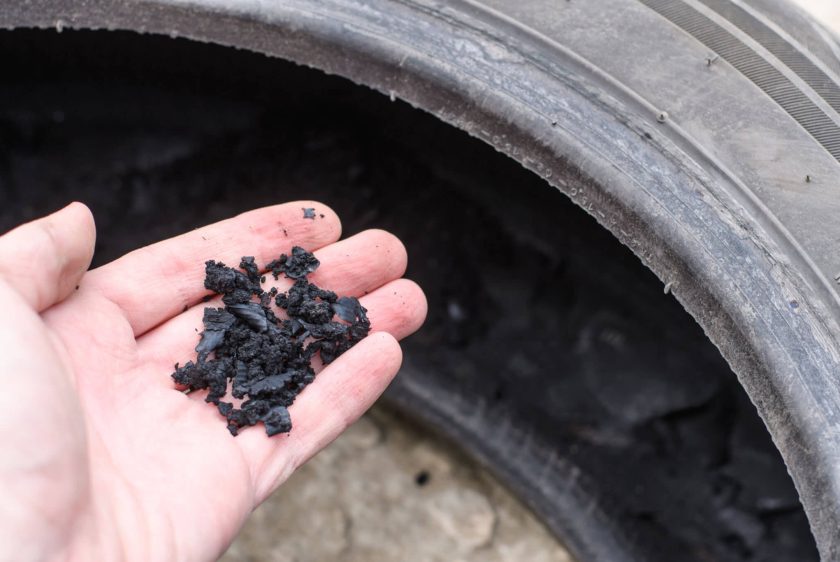
India Is Sitting on a Tyre Waste Energy Opportunity, Are We Using It?
Every year, millions of tyres reach the end of their life across India. With rapid urbanization, expanding logistics networks, and increasing vehicle ownership, discarded tyres have become one of the country’s fastest-growing waste streams.
Unfortunately, a significant portion of these tyres still ends up in open dumps, illegal stockpiles, or is burned in uncontrolled conditions—leading to severe air pollution, fire hazards, and environmental damage.
But what if these discarded tyres were viewed not as waste, but as an energy resource?
Today, advanced waste processing technologies are helping industries recover value from End-of-Life Tyres (ELTs), supporting India’s transition toward a circular economy and cleaner industrial fuel.
The Growing Tyre Waste Challenge in India
India is among the world’s largest consumers of tyres. As the number of passenger vehicles, trucks, buses, and construction equipment continues to rise, so does the volume of tyre waste generated each year.
Improper tyre disposal creates multiple environmental challenges:
- Illegal dumping
- Landfill space consumption
- Toxic fires
- Mosquito breeding grounds
- Carbon emissions
- Loss of valuable recoverable materials
Unlike organic waste, tyres take decades to degrade naturally, making scientific processing essential.
Why Tyres Are More Than Just Waste
A tyre contains high-energy materials including:
- Natural rubber
- Synthetic rubber
- Carbon black
- Steel
- Textile fibers
These materials possess a high calorific value, making tyres one of the most energy-rich waste streams available today.
Instead of sending them to landfills, industries are increasingly recovering energy and valuable raw materials through scientific waste processing.
Where Does Waste-to-Energy Fit In?
Modern waste-to-energy systems focus on extracting maximum value from difficult waste streams.
For end-of-life tyres, this typically involves:
- Size reduction
- Metal recovery
- Material separation
- Alternative fuel preparation
- Energy recovery
This approach significantly reduces landfill dependency while supporting industrial fuel demand.
The Importance of Tyre Pre-Processing
Before tyres can be utilized for energy recovery or advanced recycling, they must be properly processed.
This stage determines:
- Processing efficiency
- Energy recovery
- Equipment safety
- Product consistency
- Operational costs
A typical tyre pre-processing line includes:
✔ Feeding
✔ Primary Shredding
✔ Steel Separation
✔ Secondary Shredding
✔ Screening
✔ Material Classification
The result is a uniform tyre-derived material suitable for downstream processing.
Waste Tyres as Alternative Fuel
Processed tyre material offers excellent fuel characteristics due to its high calorific value.
Many industries are increasingly using tyre-derived fuel (TDF) as a partial replacement for conventional fossil fuels.
Common applications include:
- Cement plants
- Industrial boilers
- Thermal applications
- Waste-to-Energy facilities
Using alternative fuels helps industries reduce fossil fuel consumption while supporting sustainability goals.
Why Efficient Size Reduction Matters
The quality of downstream processing depends heavily on the consistency of shredded tyre material.
Well-designed shredding systems help:
- Improve material handling
- Increase processing efficiency
- Recover steel effectively
- Reduce equipment wear
- Produce uniform feedstock
Advanced industrial shredders are capable of handling whole tyres while delivering consistent particle sizes suitable for further processing.
Building Integrated Tyre Recycling Solutions
The future of tyre waste management is not based on a single machine.
It requires an integrated processing system that combines:
- Heavy-duty shredders
- Magnetic separators
- Screening equipment
- Conveying systems
- Density separation
- Intelligent automation
Together, these technologies maximize resource recovery while preparing tyre waste for energy recovery and recycling applications.
How Arcler Supports Sustainable Tyre Waste Processing
At Arcler, we believe every waste stream holds untapped value—including end-of-life tyres.
Our expertise lies in designing integrated waste processing systems that help industries efficiently prepare tyre waste for downstream recycling and waste-to-energy applications.
Our solutions include:
- Heavy-duty industrial shredders
- Screening systems
- Magnetic separation
- Conveying solutions
- Material recovery systems
- Turnkey waste processing plants
- RDF and alternative fuel preparation lines
Every solution is engineered to improve efficiency, maximize resource recovery, and support sustainable industrial operations.
The Road Ahead
India has a tremendous opportunity to transform tyre waste from an environmental challenge into an energy resource.
With growing industrial demand for alternative fuels, stronger environmental regulations, and increasing investment in waste-to-energy infrastructure, the shift toward scientific tyre waste processing has already begun.
The question is no longer whether tyre waste should be processed—it’s how efficiently we can recover its value.
By combining advanced shredding, material recovery, and integrated waste processing technologies, industries can reduce landfill waste, recover valuable materials, and contribute to India’s circular economy.
At Arcler, we’re committed to helping industries unlock this opportunity through innovative waste processing solutions that convert waste into sustainable value.


